
Level 3 & 4 Reports
Level 3 & 4 Reports
Most recording conditions come with a requirement for a Level 3 Report. This is a standard set by Historic England and is outlined in their publication ‘Understanding Historic Buildings – A guide to good recording practice’. Level 3 is itemised on Page 26. It is noted as:
‘Level 3 is an analytical record and will comprise an introductory description followed by a systematic account of the building’s origins, development and use. The record will include an account of the evidence on which the analysis has been based, allowing the validity of the record to be re-examined in detail. It will also include all drawn and photographic records that may be required to illustrate the building’s appearance and structure and to support an historical analysis.
The information contained in the record will for the most part have been obtained through an examination of the building itself. The documentary sources used are likely to be those which are most readily accessible, such as historic Ordnance Survey maps, trade directories and other published sources. The record may contain some discussion the building’s broader stylistic or historical context and importance. It may form part of a wider survey of a number of buildings which will aim at an overall synthesis, such as a thematic or regional publication, when the use of additional source material may be necessary as well as a broader historical and architectural discussion of the buildings as a group. A Level 3 record may also be appropriate when the fabric of a building is under threat, but time or resources are insufficient to allow for detailed documentary research, or where the scope for such research is limited.’
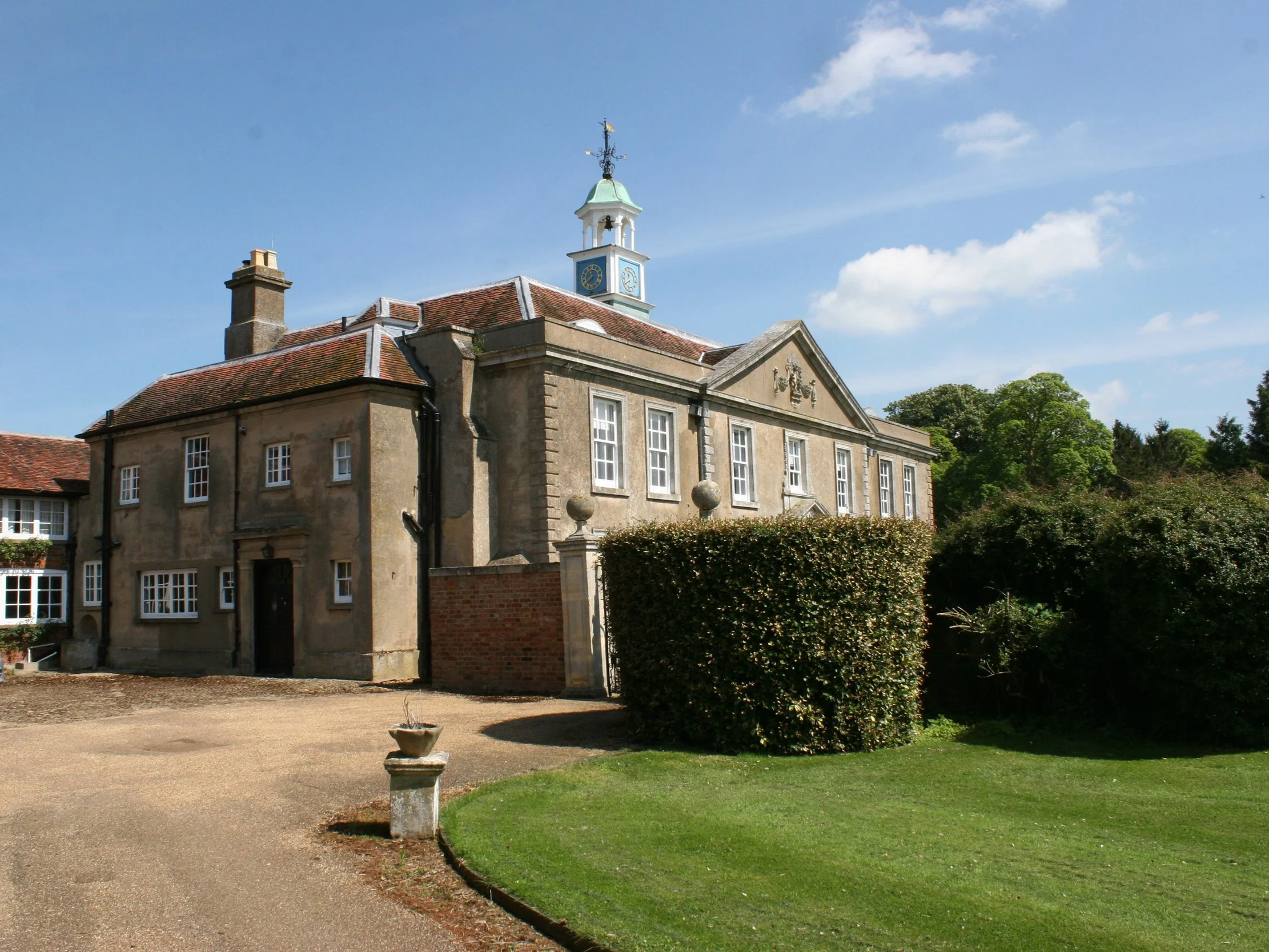
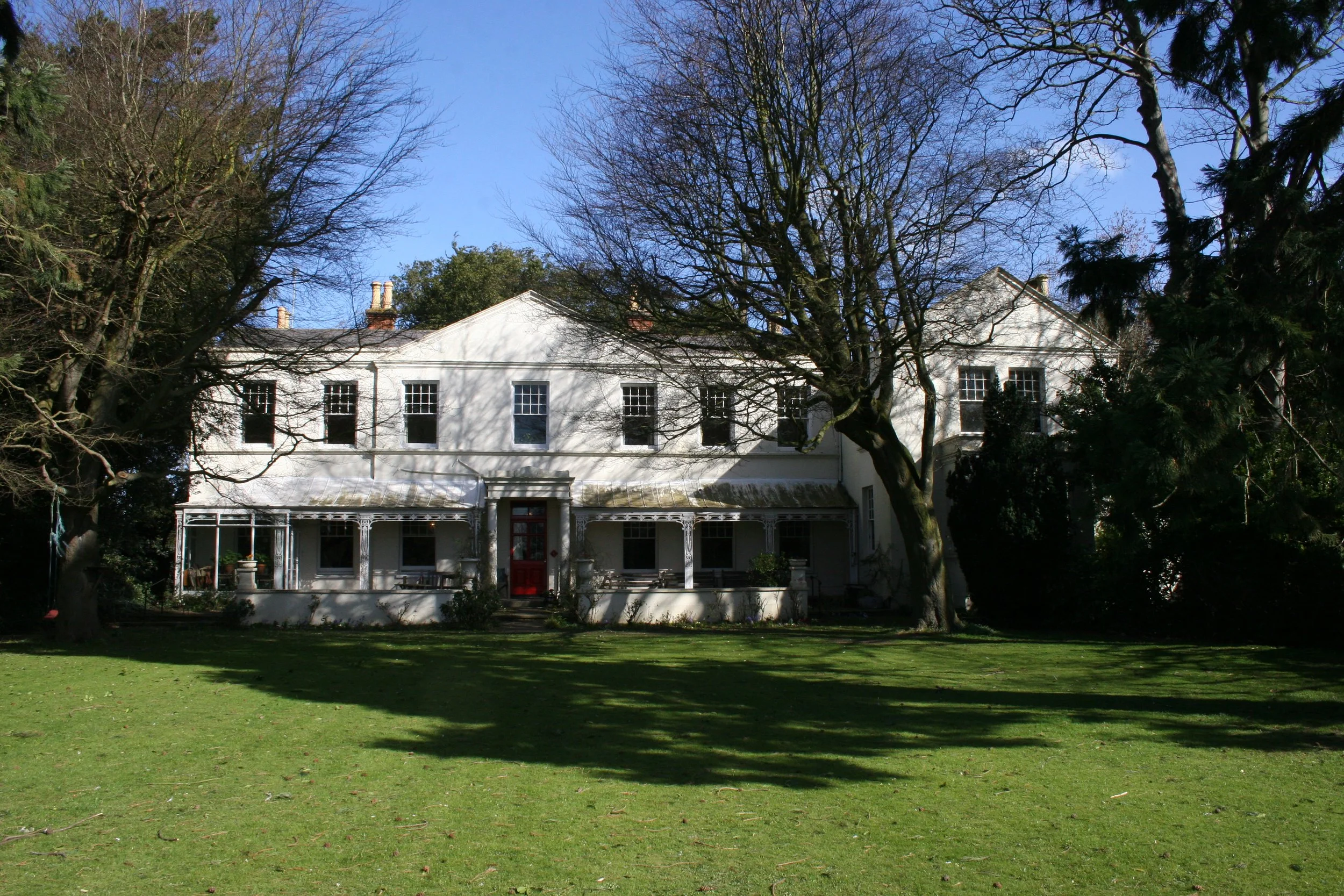
Level 4 reports are much less common and are normally only asked for when a building is of special importance and has not been recorded before, or is destined to be demolished. I have only produced about 10 Level 4 reports in 20 years of recording.
Level 4 is itemised on Page 27.
‘Level 4 provides a comprehensive analytical record and is appropriate for buildings of special importance. Whereas the analysis and interpretation employed at Level 3 will clarify the building’s history so far as it may be deduced from the structure itself, the record at Level 4 will draw on the full range of other sources of information about the building and discuss its significance in terms of architectural, social, regional or economic history. The range of drawings may also be greater than at other levels.’
Most of my reports, regardless of level, will contain an element of historical detail; from maps, tithe records, census, estate holdings, record office entries and pers comm information.