
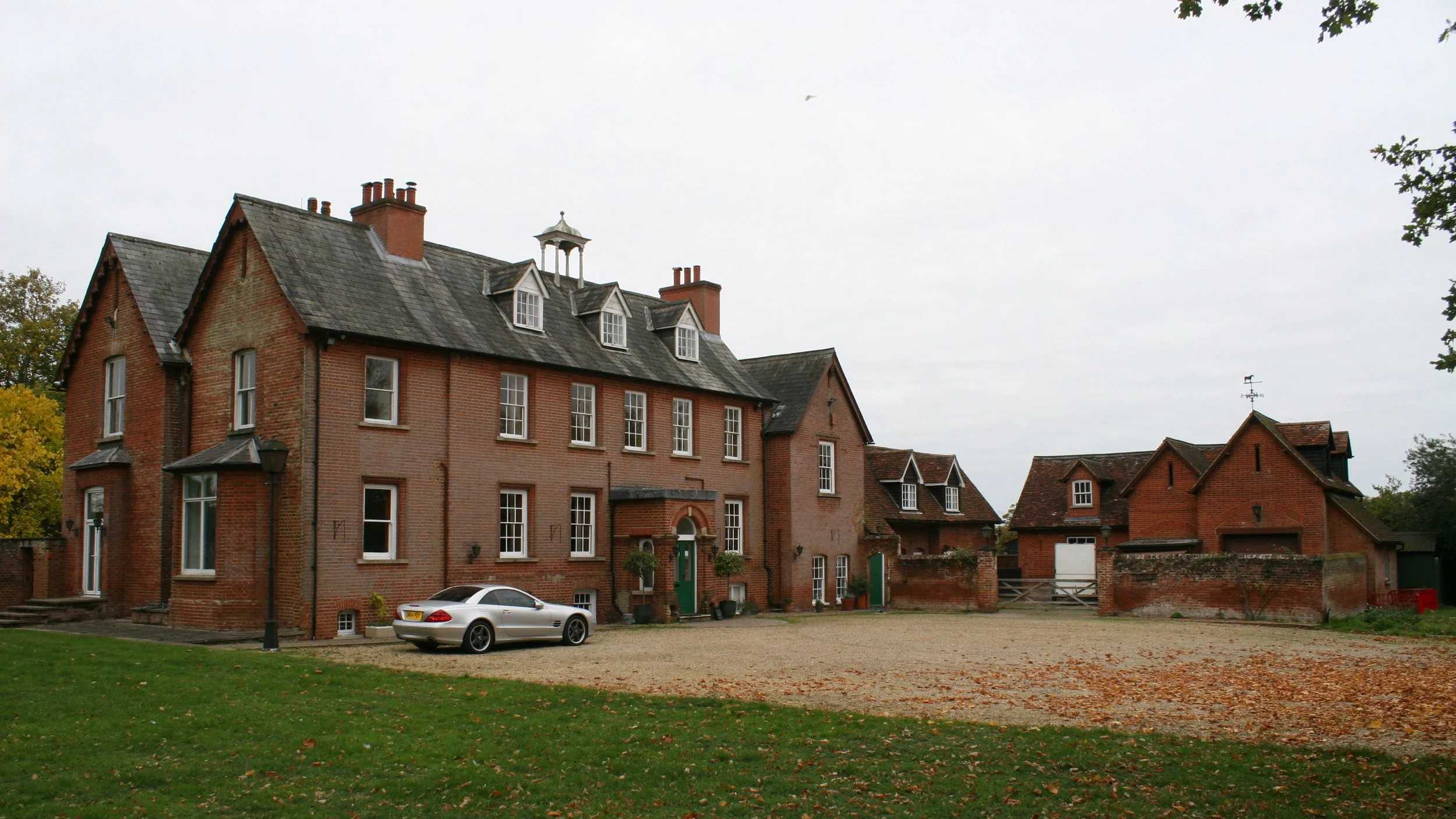
Vicarages
Vicarages are interesting buildings as they were designed within the confines of ecclesiatical expectations. Previously called Rectories, the buildings are often grand and seriously improved, or built from new, in the years following the Tithe Commutation Act of 1836. This Act converted goods into cash, into fixed monetary payments known as tithe rent charges. This meant the Vicar had a large amount of money at his disposal to improve the Church and his own residence.
Vicarages are often stylish, up to date buildings, well-appointed with good accommodation for the family and servants alike. There was also a fashion for double pile houses. The Church was also careful with its money and the buildings often retain recycled materials taken from previous buildings. For example, Samuel Sanders Teulon specified how all the old timber and bricks from the previous building was to be utilised in his new design in an illustrated booklet, and even dated the building in the brickwork to avoid later confusion.
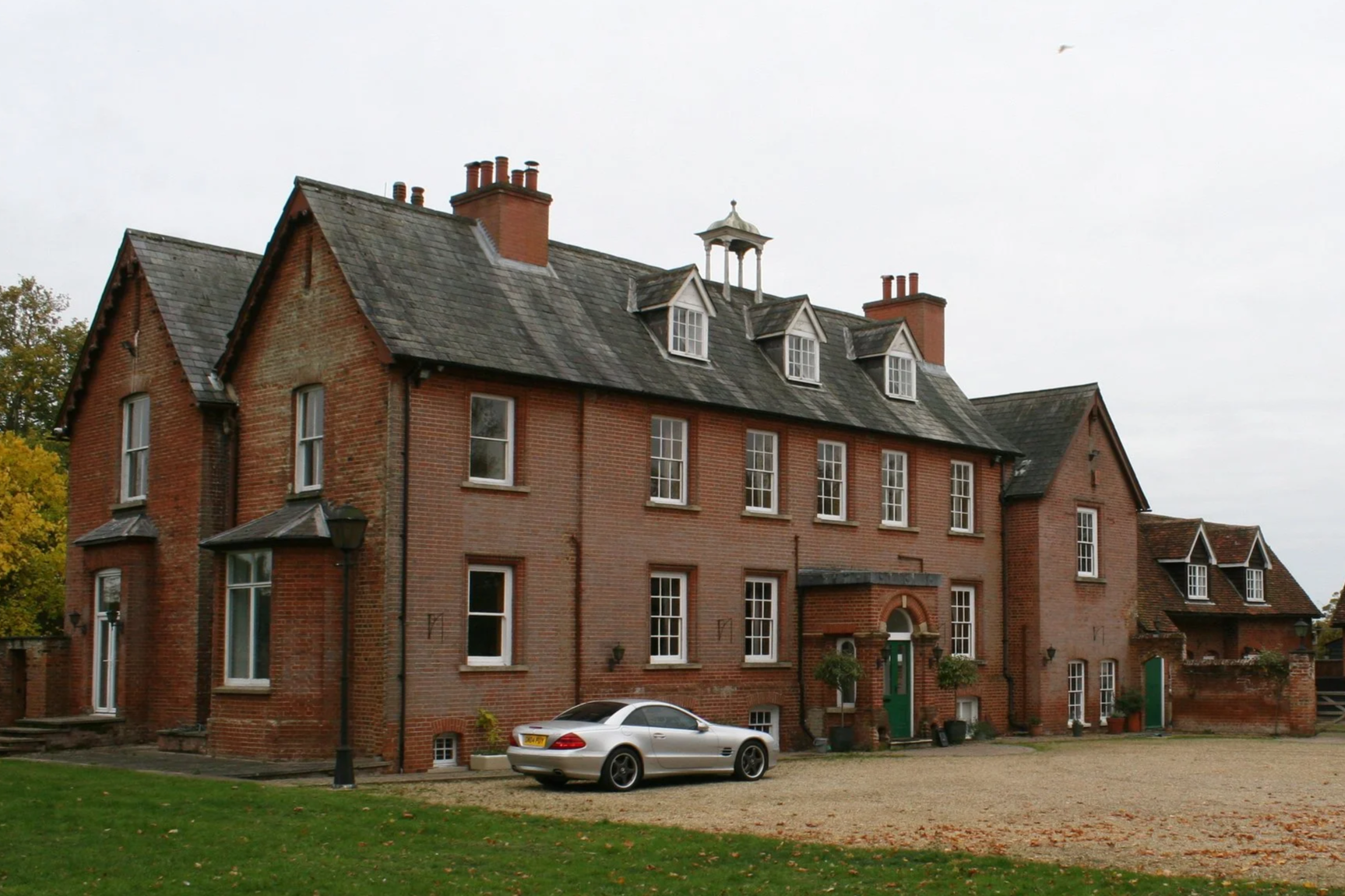
Manor House Vicarage, Stansted Mountfitchet
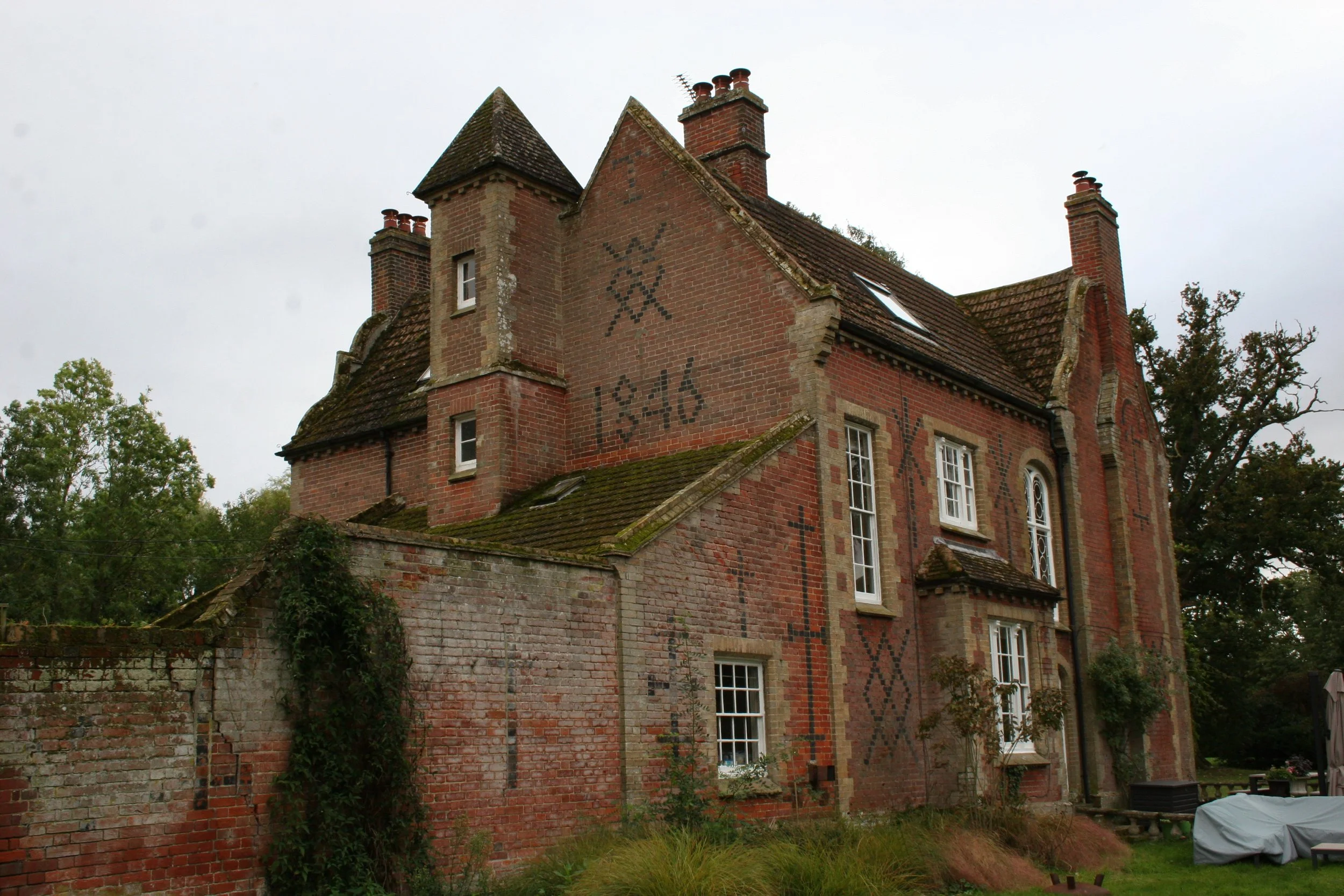
Abbey House, Monks Soham
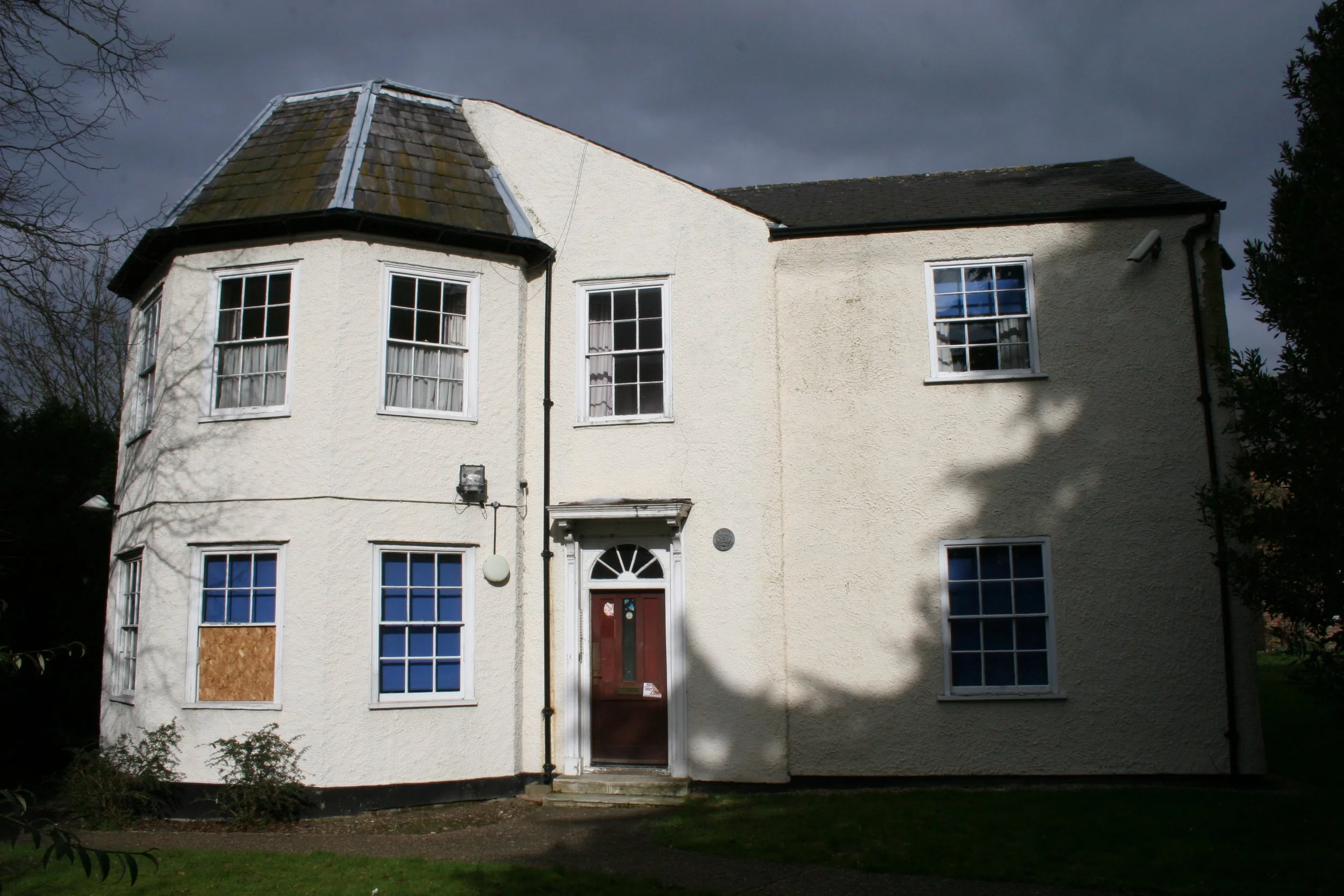
Thele House, Stanstead Abbotts
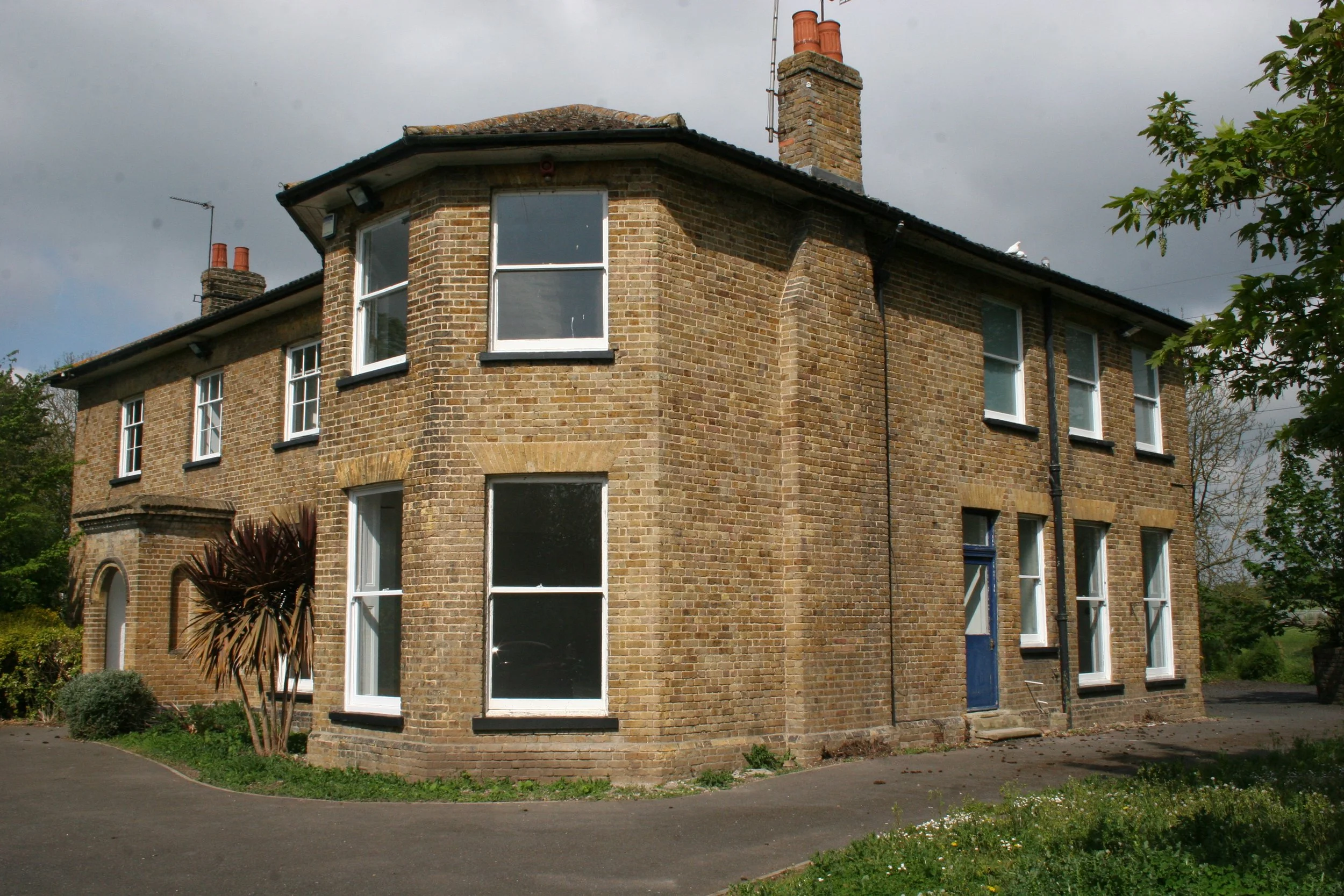
Old Rectory, Mucking
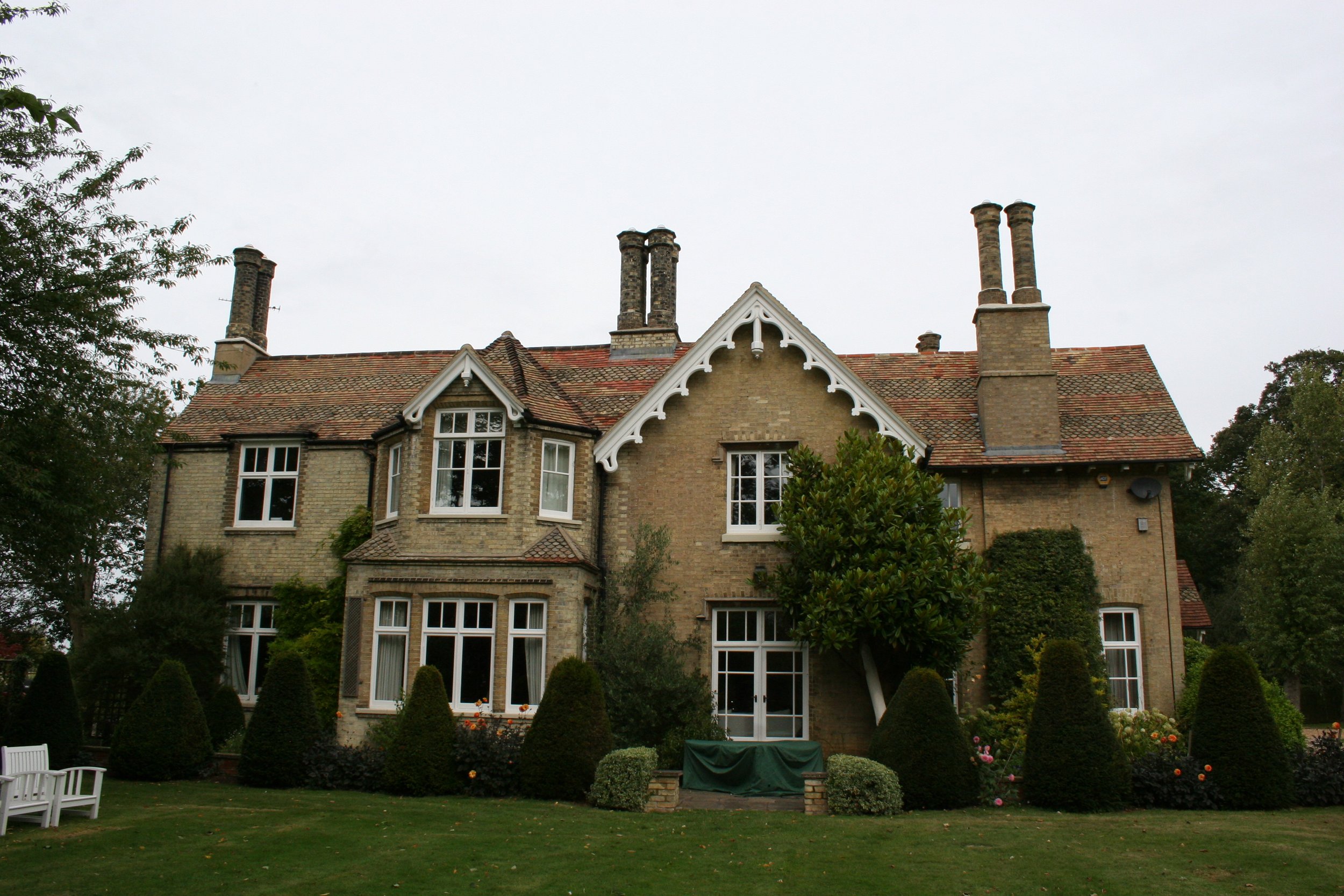
Old Rectory, Wyddial Buntingford
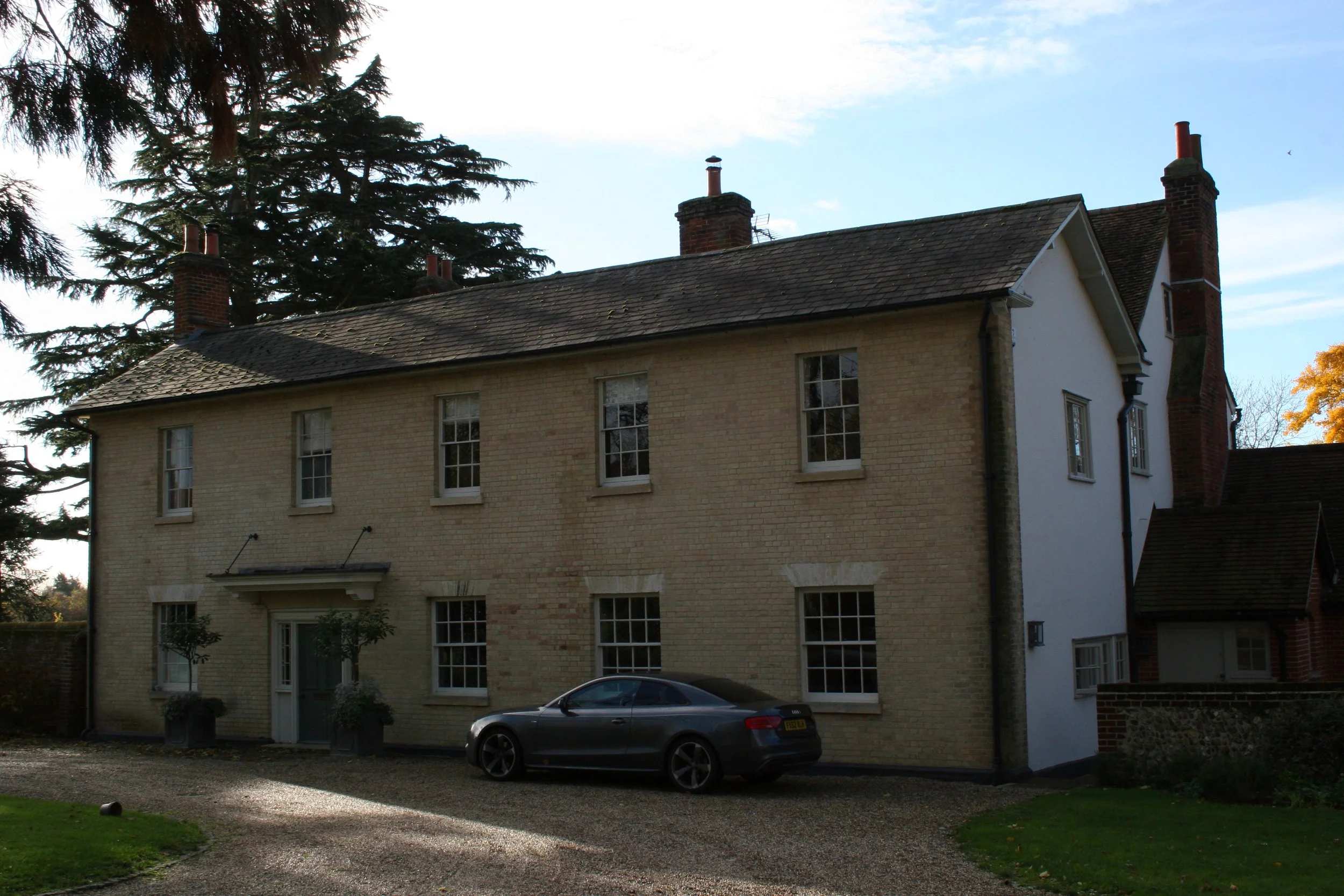
Old Vicarage, Stebbing
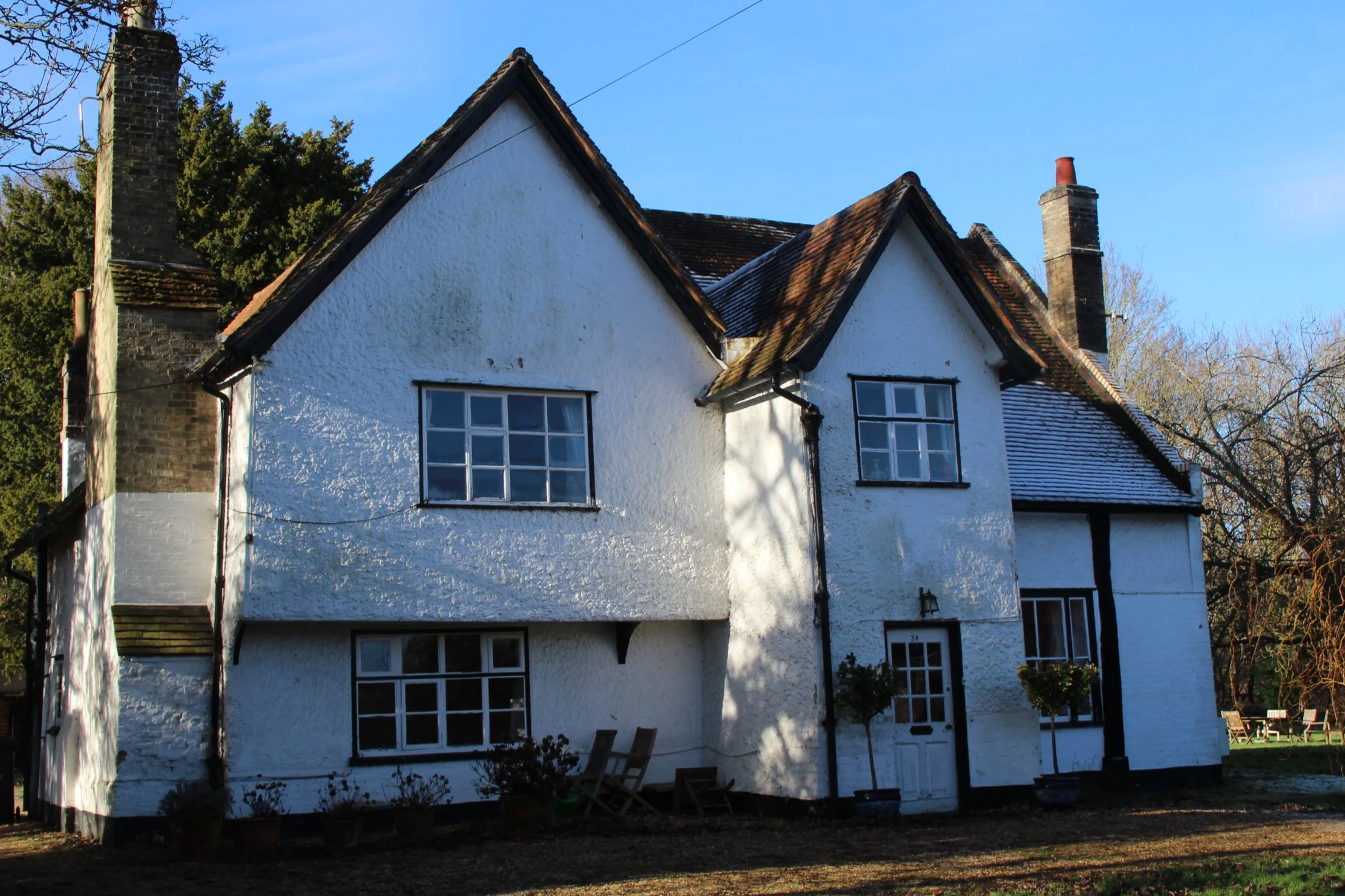
Rectory Farmhouse, Shelford